Parent-child interaction therapy (PCIT) is a behavioral treatment involving parents and children. It can help with learning difficulties and behavioral disorders, reduce tantrums, and nurture positive parenting styles.
Young children may express discomfort, anxiety, or depression through atypical behaviors and tantrums. A range of mental health and developmental disorders can start to become apparent during childhood, such as attention deficit hyperactivity disorder (ADHD) and autism spectrum disorder (ASD).
It may be a challenge to parent a child with behavioral difficulties in a kind, constructive way while teaching them boundaries and helping them improve behaviors. Certain tools may help both the parent and child through this time.
PCIT is one such approach to therapy that can support parent-child relationships over an extended period.
What is PCIT?
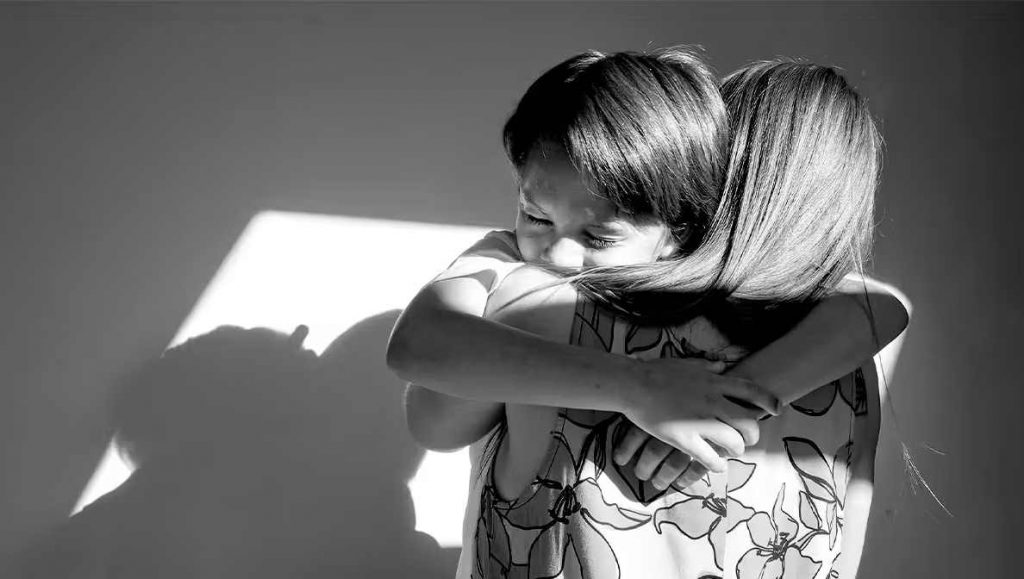
PCIT is a type of therapy involving parents and young children, often between 2 and 7 years old. It is similar to play therapy.
However, with play therapy, the therapist guides the play session by speakingTrusted Source to the child using the “language” of play. During PCIT, the parent or guardian carries out the treatment. The therapist observes them and guides them remotely.
Then, the parent or guardian practices their newly learned skills every day between sessions.
This allows parents to understand and work with their children’s feelings in a structured play environment. It also equips them with the tools to communicate with their child in constructive ways after the therapy process is over.
